Watercolor Safari PNG: A Designer’s Stitch Test
As a professional embroidery designer and product reviewer, I approach every new digital asset with a healthy dose of skepticism. The market is flooded with beautiful screen images that translate poorly to thread. When evaluating the Watercolor Safari PNG, Safari Animals collection for real-world application, my primary concern is not just how pretty the illustration looks on a monitor, but how it behaves under the needle. For fellow Etsy sellers, apparel decorators, and makers, the transition from a digital illustration to a tangible embroidered patch or garment is where profit margins and customer satisfaction are truly determined.
First Impressions and Visual Translation
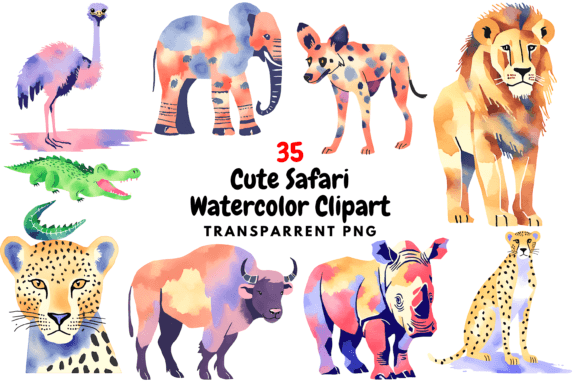
My initial review of this Watercolor Safari PNG focuses on the integrity of the artwork itself. Watercolor styles are notoriously tricky for machine embroidery because they rely on soft edges and color blending, whereas embroidery relies on distinct stitch boundaries. This specific set of Safari Animals illustrations succeeds because the shapes are defined enough to support satin stitch borders without losing that dreamy, artistic aesthetic. The mood is undeniably nursery-soft and boutique-ready, moving away from cartoonish caricatures toward a more sophisticated, heirloom quality.
For a creative entrepreneur, this visual personality matters. It signals to the buyer that this is a premium handmade product rather than mass-produced merchandise. However, as I zoomed in to inspect the detail level, I noted that the watercolor texture implies a need for careful digitizing. If you are using this as a base for an applique design, the printed fabric must align perfectly with the stitch lines. If you are digitizing this as a full fill stitch embroidery file, you must ensure the stitch density mimics the paint washes without becoming bulletproof or distorting the fabric.
Real-World Application: The Custom Tote Bag Test
To truly judge the viability of these design assets, I mentally placed them into a current client project: a series of personalized canvas tote bags for a baby shower gift set. Canvas is a forgiving fabric texture, making it an ideal candidate for testing complex illustrations. In this scenario, the Watercolor Safari PNG serves as the centerpiece, likely paired with a simple monogram in a running stitch font.
When stitching safari animals onto unlined canvas, stabilizer choice becomes critical. I would recommend a medium-weight cutaway to prevent the dense fill stitches from pulling the fabric out of square. The organic shapes of these animals allow for natural placement; unlike rigid geometric designs, a lion or elephant with soft watercolor edges can be positioned slightly off-center for a modern, asymmetrical look that appeals to current boutique trends. For an Etsy seller, this flexibility reduces waste and allows for unique compositions across different products.
I also considered how this design performs on custom apparel like sweatshirts. The loose, painterly style works exceptionally well on fleece and french terry because the slight texture of the knit hides minor registration imperfections that might occur during high-speed commercial embroidery. However, for baby embroidery on delicate interlock cotton, I would advise reducing the overall size and checking the stitch count to ensure the garment remains soft against sensitive skin.
Navigating Fabric Limitations and Hoop Constraints
While the Watercolor Safari PNG collection is versatile, it requires strategic planning regarding where it should not be used. Based on the intricate nature of watercolor-style illustrations, I strongly caution against using these on highly textured fabrics like terry cloth towels or ribbed knits unless you are doing a reverse applique or printing the design directly onto the fabric first. The fine details of the animal features will get lost in the pile of the fabric, resulting in a muddy finished product that disappoints customers.
Dark fabrics present another challenge. Watercolor aesthetics rely on light passing through layers of pigment. On black or navy garments, you lose that translucency unless you utilize a white underlay base, which significantly increases stitch density and production time. For small shop owners watching their margins, these designs are most profitable on white, cream, or pastel backgrounds where the thread colors can replicate the original illustration accurately without excessive layering.
Hoop size is another practical constraint. These Safari Animals likely have varying aspect ratios. Before purchasing or digitizing, confirm that your machine’s maximum hoop size accommodates the largest animal in the set at your desired scale. Resizing a complex watercolor embroidery file down by more than 20% can cause satin stitches to become too narrow and fill stitches to overlap, ruining the design's clarity. Always verify dimensions against your equipment capabilities before committing to a bulk order of blanks.
Elevating Product Value and Brand Consistency
Using high-quality illustrations like the Watercolor Safari PNG directly impacts perceived value. In the saturated market of personalized gifts and holiday embroidery, customers are drawn to cohesion. If you are building a brand around nursery decor or children’s apparel, maintaining a consistent art style across your catalog builds trust. These designs offer that thematic consistency while allowing for variety in product type—from embroidered patches for caps to large-scale pillow covers.
For digital product sellers offering printable mockups, these PNG files are invaluable. They allow you to create realistic previews of finished products without having to stitch every single variation. This speeds up listing creation and helps buyers visualize the end result. However, always distinguish between the digital illustration and the actual embroidery file in your listings to avoid customer confusion. Clear communication about what is included prevents negative reviews and returns.
Essential Designer Notes for Success
Before launching a new line featuring these Safari Animals, adhere to these practical protocols to ensure professional results:
- Test on Scrap Fabric First: Never run a new design on a final product without a test stitch-out. Check how the watercolor shading translates to thread and adjust tension if necessary.
- Verify Licensing Terms: Confirm whether your purchase includes commercial rights for selling finished physical items versus digital embroidery files. Protecting your business starts with respecting intellectual property.
- Check Thread Color Contrast: Watercolor designs often use subtle tonal shifts. Ensure your thread palette has enough contrast so the animal features remain distinct when viewed from a distance.
- Inspect Small Details: Eyes, whiskers, and toes are failure points. If digitizing yourself, consider simplifying tiny elements into running stitches rather than attempting miniature satin stitches that may fray.
- Review Stabilizer Pairings: Match your stabilizer weight to both the fabric and the stitch density of the specific animal. A giraffe may require different support than a compact hippo.
- Mockup in Black and White: Viewing the design in grayscale helps identify value issues that color might mask, ensuring the composition reads clearly regardless of thread color choices.
Final Thoughts for Makers and Sellers
The Watercolor Safari PNG, Safari Animals collection offers immense potential for craft businesses and hobbyists alike, provided it is treated with technical respect. It bridges the gap between fine art illustration and functional textile design beautifully. Whether you are creating a bespoke baby blanket, stocking your Etsy shop with seasonal toddler wear, or designing branded merchandise for a zoo-themed event, success lies in understanding the marriage between the digital source and the physical stitch. By testing thoroughly, choosing appropriate substrates, and honoring the delicate nature of the watercolor aesthetic, you can transform these lovely illustrations into profitable, cherished handmade products that stand out in a crowded marketplace.