Watercolor Dino Set: A Designer’s Stitch Test
First Impressions: Soft Aesthetics Meet Technical Reality
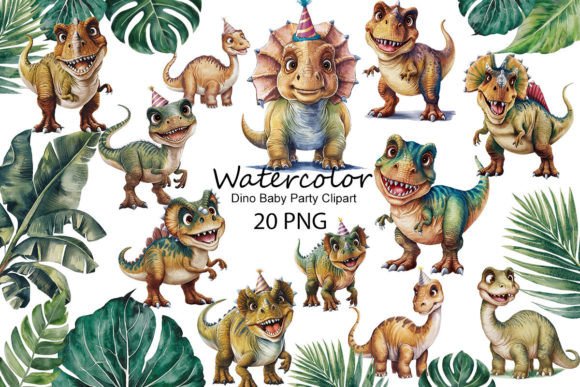
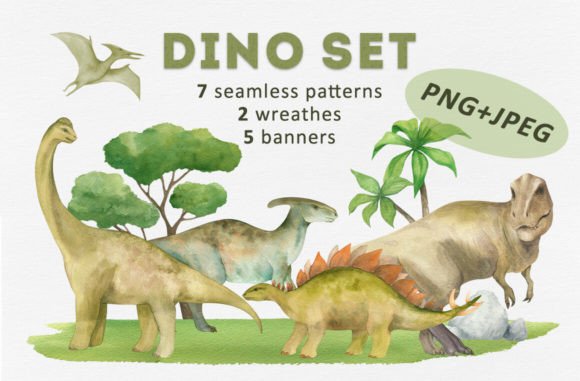
When I first opened the Watercolor Dino Set, my immediate reaction was one of cautious optimism. As an illustrator, the artwork is undeniably charming. The soft edges, blended hues, and whimsical character expressions capture that coveted "hand-painted" aesthetic that is currently dominating the nursery decor and children's apparel markets. However, as an embroidery digitizer and product reviewer, I know that what looks beautiful on a screen does not always translate seamlessly to needle and thread. Watercolor-style illustrations are notoriously tricky in machine embroidery because they rely on visual blending rather than solid blocks of color.
My primary assessment focused on how these digital assets interpret that painterly effect into stitch data. Does the design use complex fill stitches with varying densities to mimic brush strokes, or does it rely heavily on applique design techniques to achieve the color variation? Upon inspection, this set appears to balance both approaches. The visual personality is gentle and organic, avoiding the stiff, cartoonish look that can sometimes plague dinosaur themes. This makes it an excellent candidate for high-end handmade products where customers expect a boutique feel rather than mass-produced merchandise.
Real-World Application: Stitching a Custom Toddler Sweatshirt
To truly evaluate the Watercolor Dino Set, I needed to move beyond the software preview and test it in a real-life scenario. I chose a custom embroidered sweatshirt project intended for a toddler’s birthday gift. Sweatshirts are a staple for Etsy sellers and small shop owners, but the fleece backing and stretchy knit fabric present specific challenges for detailed illustrations.
I selected a design from the set featuring a seated T-Rex with floral accents. The goal was to see if the watercolor shading remained distinct after stitching on a textured surface. During the stitch-out, I paid close attention to the transition areas between colors. In true watercolor style, the design utilized running stitch overlays atop satin stitch and fill stitch bases to create depth. On the sweatshirt fleece, the texture did soften some of the finer shading details, which is expected. However, the overall silhouette and color blocking held up beautifully. The result was a soft, vintage-inspired graphic that looked intentional and artistic, not pixelated or muddy.
For craft business owners considering this for custom apparel, this performance is crucial. The design maintains its integrity even when the fabric texture competes with the stitch detail. It suggests that the digitizing accounts for the physical reality of thread on fabric, rather than just replicating pixels. This level of forethought builds customer trust; when a client receives their personalized gift, the embroidery should look as premium as the digital mockup promised.
Navigating Fabric Choices and Hoop Limitations
While the Watercolor Dino Set performed well on fleece, designers must be strategic about substrate selection. Watercolor effects in embroidery thrive on smooth, stable fabrics. If you are planning to use these designs for baby embroidery on cotton onesies or tea towels, you will likely see even greater clarity in the shading transitions compared to knits.
However, caution is required for certain applications:
- Dark Fabrics: Watercolor aesthetics typically rely on light thread colors blending into lighter backgrounds. Using this set on black or navy fabric may require significant modification or a white underlay base, which could alter the intended softness of the illustration.
- Curved Surfaces: I would hesitate to use the larger, more detailed dinosaurs from this set on structured caps. The curvature can distort the delicate shading gradients, making the watercolor effect look disjointed. Stick to flat surfaces like tote bags, pillow covers, or aprons for the best results.
- Small Hoop Sizes: Always verify the dimensions against your hoop size before purchasing. Resizing watercolor-style embroidery files down significantly can collapse the intricate fill stitches and running stitch details, turning a beautiful illustration into a dense, stiff patch. If you need a smaller version for a sleeve cuff or pocket, check if the designer offers pre-digitized sizes specifically optimized for reduced dimensions.
- Stretchy Performance Wear: While cute, dense illustrative embroidery can compromise the stretch recovery of athletic fabrics. Reserve this set for lifestyle garments and decor rather than activewear.
Commercial Viability for Makers and Sellers
For Etsy sellers and creative entrepreneurs, the value of an embroidery file extends beyond its stitch quality; it lies in its marketability. The Watercolor Dino Set hits a sweet spot in current trends. It bridges the gap between gender-neutral nursery decor and playful children's fashion. From a business perspective, versatility is key. These illustrations are neutral enough to work across various product lines without needing separate inventory for different demographics.
I can easily envision these designs driving sales in multiple categories:
- Nursery Decor: Framed hoop art or embroidered pillow covers using the softer, pastel variations.
- School Gear: Personalized backpack patches or lunchbox tags (ensure stabilizer is adequate for durability).
- Holiday Embroidery: With minor customization or pairing with seasonal text, these dinos adapt well to Christmas stockings or Easter baskets.
- Boutique Branding: For shops focusing on eco-friendly or organic themes, the naturalistic coloring aligns perfectly with sustainable branding narratives.
Furthermore, for those selling digital products or printable mockups, the artistic quality of these illustrations allows for high-quality presentation. They photograph well, which is essential for listing images. Just remember to confirm licensing terms regarding whether you can sell finished physical products versus the digital embroidery file itself. Most designers permit commercial use of stitched items but prohibit reselling the source files. Always respect these boundaries to maintain professionalism in the maker community.
Critical Designer Notes for Successful Execution
Before loading the Watercolor Dino Set into your machine for a paid order, adhere to these professional best practices to ensure consistent quality:
- Test on Scrap Fabric First: Never assume settings transfer perfectly between machines. Run a test stitch on the exact fabric and stabilizer combination you intend to use for the final product. Check for registration issues between color layers.
- Evaluate Thread Color Contrast: Watercolor designs often use subtle tonal shifts. Ensure your thread palette has enough contrast between shades so the shading reads clearly from a distance. If two colors blend too much physically, the design may look flat.
- Stabilizer Selection is Non-Negotiable: Because these illustrations often involve layered stitching to create the painted effect, proper stabilization prevents puckering. Use a cut-away stabilizer for knits and stretchy fabrics to support the stitch density over time. Tear-away may suffice for woven cottons but test first.
- Inspect Small Details: Zoom in on the embroidery file in your editing software. Look for tiny jump stitches or isolated satin columns that might get lost during production. Clean up any unnecessary trims to improve production efficiency.
- Mockup Verification: Create black and white mockups alongside color versions. This helps identify if the design relies solely on color for definition or if the underlying stitch structure provides adequate contrast and form.
- Wash Testing: If creating items for babies or kitchen use (like bibs or tea towels), wash your test sample. Watercolor fills can sometimes shift or fuzz after laundering. Pre-washing ensures the finished product maintains its professional appearance through the customer's lifecycle.
The Watercolor Dino Set represents a strong intersection of artistic appeal and technical functionality. It avoids the common pitfalls of overly dense digitizing while delivering the trendy, soft aesthetic that modern buyers seek. Whether you are embellishing a custom apparel line, creating unique holiday gifts, or expanding your digital asset library, this set offers reliable performance when paired with thoughtful fabric choices and proper stabilization. By treating these illustrations with the technical respect they demand, makers can elevate their handmade products from simple crafts to professional-grade merchandise that delights customers and supports sustainable business growth.