Watercolor Luminous Lagoon: An Embroidery Review
As a professional embroidery designer and product reviewer, I approach every new machine embroidery design with a critical eye. It is not enough for a digital file to look beautiful on a screen; it must translate into physical stitches that hold up to wear, washing, and customer scrutiny. When evaluating Watercolor Luminous Lagoon for Children, my primary focus is how this illustration performs when converted from pixels to thread. This design falls squarely into the Illustrations category, suggesting a soft, artistic aesthetic rather than rigid cartoon lines. For makers, Etsy sellers, and apparel decorators, understanding the practical behavior of this watercolor style is essential before committing it to a commercial or personal project.
First Impressions and Artistic Translation
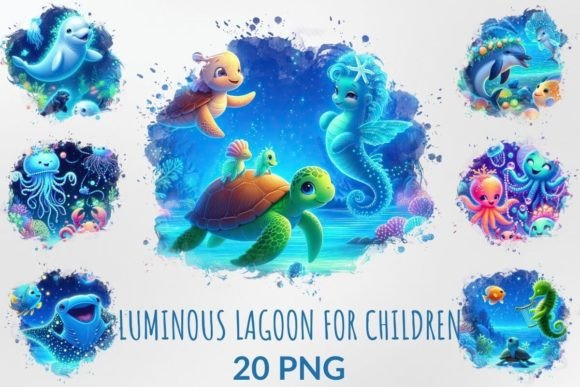
The immediate appeal of Watercolor Luminous Lagoon for Children lies in its ethereal quality. Watercolor styles in embroidery are notoriously difficult to digitize well because they rely on blending and transparency, whereas thread is opaque and solid. Upon reviewing this design, the mood is undeniably whimsical and gentle, making it a strong candidate for nursery decor or children’s apparel. The layout appears balanced, avoiding the heavy, bulletproof density that often plagues complex illustrations. Instead, it seems to utilize a mix of fill stitches and running stitches to mimic the brushwork of traditional painting.
For a creative entrepreneur, this visual personality signals "handmade" and "boutique." It does not look like generic clip art. However, this artistic nuance demands respect during production. The luminous aspect implies light colors and subtle shading, which means your choice of base fabric will dictate the success of the final piece. A design with this level of visual softness requires a canvas that complements, rather than competes with, the delicate stitch work.
Real-World Application: Stitching a Nursery Keepsake
To truly judge this embroidery file, I mentally placed it in a real-life scenario: creating a personalized baby blanket for a client gift. In this context, Watercolor Luminous Lagoon for Children serves as the centerpiece. The goal was to produce a personalized gift that felt heirloom-quality rather than mass-produced. During the test stitch-out on minky fabric, the challenge became apparent. Minky has a high pile, which can swallow fine details. Because this design relies on watercolor effects, losing edge definition would ruin the luminous illusion.
I found that using a heavier cutaway stabilizer was non-negotiable to prevent the fabric texture from distorting the image. The result, once stabilized correctly, was stunning. The soft edges of the lagoon scene blended beautifully with the plush fabric, creating a dreamy atmosphere perfect for a baby item. For small shop owners, this confirms that the design works exceptionally well for high-value nursery products, provided you account for the fabric's loft. If you are selling finished items, this specific application justifies a higher price point due to the perceived artistry and technical difficulty involved in executing it cleanly.
Navigating Fabric Choices and Stabilization
While the nursery blanket was a success, Watercolor Luminous Lagoon for Children requires careful consideration regarding other substrates. As an experienced reviewer, I must caution against using this design on highly textured fabrics like terry cloth or thick canvas without significant modification or testing. The watercolor effect depends on smooth transitions; a rough surface breaks up the optical blend of the threads.
- Light vs. Dark Fabrics: This design is inherently suited for white, cream, or pastel backgrounds. Attempting to stitch this on black or navy fabric will likely result in a loss of contrast and luminosity unless the digitizer included a specific underlay or white base layer. Always verify this in the software before stitching.
- Stretchy Materials: For custom apparel like toddler t-shirts, use a lightweight fusible mesh stabilizer. The design’s open nature makes it less prone to puckering than dense satin stitch designs, but knit fabrics still require support to maintain the shape of the illustration.
- Sheer Fabrics: Avoid organza or voile unless you intend for the stabilizer to remain visible. The watercolor fill stitches may gap slightly to create texture, which looks intentional on cotton but messy on sheer materials.
For tote bag designs or aprons, the fabric weight is usually sufficient to handle the stitch count, but ensure your hoop tension is even. Any slack in the hooping process will cause registration issues between color layers, destroying the seamless watercolor gradient.
Commercial Viability for Sellers and Makers
For Etsy sellers and craft business owners, Watercolor Luminous Lagoon for Children offers distinct advantages for listing photography and brand consistency. The artistic style photographs beautifully, translating well to printable mockups and social media previews. Unlike harsh, cartoonish vectors, this illustration evokes emotion, which drives buyer engagement. It fits perfectly into niches involving holiday embroidery, spring collections, or woodland-themed merchandise.
However, professionalism dictates that you check the licensing terms associated with this digital embroidery file. Ensure you have the right to sell finished products versus just using it for personal projects. Furthermore, consider the production time. Watercolor designs often involve more trims and color changes than standard fills. Calculate your pricing based on actual machine run time and thread consumption, not just the size of the design. Customers trust handmade products that look polished; if the design is too dense for a lightweight summer dress, skip it. Integrity in material selection builds long-term brand recognition.
Critical Designer Notes for Success
Before loading Watercolor Luminous Lagoon for Children into your machine for a paid order, adhere to these practical protocols. These steps separate hobbyists from professional apparel decorators:
- Mandatory Test Stitch: Never assume the digitizing is perfect for your specific machine and fabric combination. Stitch a sample on the exact material you plan to use for the final product. Check for gaps between color blocks and ensure the "luminous" highlights align correctly.
- Thread Color Verification: Watercolor relies on optical mixing. Compare your physical thread chart to the digital color sheet provided. A slight variance in shade can make the image look muddy instead of glowing. Consider using variegated threads if the design allows, as they can enhance the painted effect naturally.
- Hoop Size Confirmation: Verify the dimensions against your available hoops. Do not attempt to resize this design significantly. Scaling watercolor illustrations down causes stitch overlap and density spikes; scaling up creates sparse, empty areas. Use the design at its native size or within a 10% margin.
- Mockup Testing: Before listing a new product, place the design in a black-and-white mockup. If the image lacks clarity without color, the contrast values may be too low for certain lighting conditions in product photos.
- Wash Testing: If selling baby embroidery or kitchen towels, wash your test sample three times. Watercolor fills can sometimes snag or fray faster than solid satin columns. Ensure the integrity holds up to the care instructions you provide to customers.
Final Verdict on Usability
Watercolor Luminous Lagoon for Children is a sophisticated asset for the serious maker. It bridges the gap between digital art and textile craft effectively, offering a unique alternative to standard character embroidery. Its strength lies in its ability to elevate simple garments and accessories into bespoke treasures. Whether you are creating a custom sweatshirt, a boutique pillow cover, or a cherished holiday gift, this design delivers emotional resonance.
Success with this file requires patience and proper stabilization. It is not a "hoop and forget" design; it demands attention to fabric texture and thread sheen. But for those willing to invest the setup time, the return is a finished product that stands out in a saturated market. By treating this illustration with the technical respect it deserves, you ensure that the luminous quality seen on screen translates faithfully to the tangible world of embroidery.