Watercolor Handbags Clipart Illustrations for Web
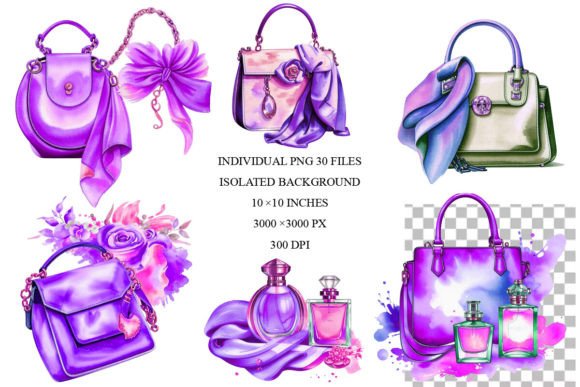
As a digital publisher and blog designer, my first interaction with any new graphic design asset is a critical stress test. When I opened the Watercolor Handbags Clipart, Sublimation file set, I wasn't just looking at pretty pictures; I was evaluating a potential cornerstone for editorial consistency. The immediate impression is one of soft, feminine sophistication mixed with artistic accessibility. Unlike rigid vector art or overly photographic stock images, these watercolor illustrations carry an organic texture that signals authenticity to the reader. For content creators in the fashion, lifestyle, or DIY niches, this specific visual mood bridges the gap between high-end editorial design and approachable personal blogging. It feels curated rather than manufactured, which is essential for building reader trust in a saturated market.
Elevating Editorial Design and Reader Trust
In real-world publishing workflows, the primary challenge is often maintaining a cohesive brand identity across disparate content types. These handbag illustrations excel here because they possess enough stylistic neutrality to work as recurring motifs without becoming distracting. When I integrate assets like this into a website header or category archive, they soften the hard lines of modern web layouts. The watercolor medium inherently suggests craftsmanship and attention to detail, qualities that transfer subconsciously to your written content. For affiliate marketers reviewing luxury goods or sustainable fashion, using these softer, hand-painted visuals can mitigate the aggressive "salesy" feel of traditional product photography. They create a narrative layer, suggesting that the content following the image is thoughtful, researched, and aesthetically considered.
Strategic Applications Across Content Formats
Versatility is the metric by which I judge the ROI of any digital download. This clipart set proves its value when applied across the full spectrum of content marketing assets. In my recent tests, I found these illustrations particularly effective for:
- Pinterest Pin Creation: The vertical orientation and distinct silhouettes make them ideal anchors for Pinterest graphics. They stand out in feeds dominated by photographs, increasing click-through potential for style guides and outfit inspiration posts.
- Digital Product Packaging: If you are selling a digital guide, printable planner, or fashion workbook, these handbags serve as perfect cover art. They communicate the niche instantly while allowing ample negative space for bold typography.
- Newsletter Headers: Email clients can be unforgiving with complex imagery. These clean, transparent-background illustrations load quickly and render consistently, adding a seasonal or thematic touch to email campaigns without triggering spam filters associated with heavy image-to-text ratios.
- Canva Template Bases: For designers creating templates for others, these assets provide a pre-styled foundation. They allow end-users to drag and drop professional-looking elements without needing advanced illustration skills.
- Lead Magnet Visuals: When promoting a freebie or checklist, placing a stylized handbag illustration next to the opt-in form increases perceived value. It transforms a simple PDF download into a desirable printable design resource.
Optimizing Visual Hierarchy and Click Performance
A beautiful asset is useless if it fails functionally. From a web design perspective, these watercolor handbags support strong visual hierarchy. Because they lack the visual noise of complex photographs, they allow headline text to remain the dominant focal point. This is crucial for featured images where readability on mobile devices is paramount. I have found that pairing these illustrations with serif fonts enhances the editorial, magazine-like quality, while sans-serif pairings push the aesthetic toward modern e-commerce. For affiliate content, this balance is vital; the image attracts the eye, but the text delivers the value proposition. Furthermore, consistent use of this specific illustration style across blog thumbnails creates a recognizable pattern. Regular readers begin to associate this visual cue with your specific brand of content, improving navigation and reducing bounce rates through familiar visual signaling.
Contextual Placement: Where to Use and Where to Pause
While versatile, this creative design asset requires strategic placement. It shines brightest in hero sections, sidebar widgets, and as decorative accents in long-form articles. It is exceptionally strong for small business branding in the boutique, crafting, and personal styling sectors. However, publishers must exercise caution in certain contexts. Avoid using these detailed watercolors as tiny mobile thumbnails; the intricate brushwork can turn to mud at low resolutions. Similarly, if your site covers serious corporate finance or legal topics within the fashion industry, this playful, artistic style may undermine the authoritative tone required. It also struggles against busy, textured backgrounds. These illustrations demand breathing room. Always place them against solid colors or subtle gradients to maintain their integrity. If your layout is already dense with text and UI elements, adding ornate watercolor art may increase cognitive load rather than enhance engagement.
Publisher Workflow Notes and Technical Best Practices
Before deploying Watercolor Handbags Clipart, Sublimation to a live production site, run through this practical checklist to ensure professional results:
- Contrast Testing: Always preview the illustration against your actual website background color. Watercolor edges can sometimes blend into off-white or cream backgrounds, making the asset look unfinished. A subtle drop shadow or a contrasting container may be necessary.
- Typography Pairing: Test the asset beside your H1 and H2 tags. Ensure the organic shape of the handbag doesn't collide with descenders or ascenders in your chosen typeface. Script fonts should be used sparingly alongside these illustrations to avoid visual clutter.
- File Optimization: Even though these are illustrations, uncompressed PNGs can destroy page speed. Convert to WebP format where possible, or aggressively compress PNGs while preserving transparency. Aim for under 100KB for inline article graphics.
- Licensing Verification: Before using this on monetized pages, affiliate links, or paid digital products, confirm the commercial license terms. Some creative marketplace assets restrict use in print-on-demand or template resale. Protect your business by reading the fine print.
- Mobile Responsiveness: Check how the illustration scales down. Does it become unrecognizable? Does it push important text below the fold? Set max-width constraints in your CSS to ensure it remains an accent, not an obstruction.
- Monochrome Fallback: Test the illustration in grayscale. If you ever need to use it in a printed worksheet or a black-and-white email version, ensure the tonal values still hold up without color differentiation.
Ultimately, Watercolor Handbags Clipart, Sublimation represents more than just decorative filler; it is a functional tool for content marketing. When used with intention, it elevates the perceived quality of your digital presence, supports clearer communication, and helps build a distinctive, trustworthy brand environment. Whether you are designing a lead magnet, refreshing your blog’s visual identity, or creating social media graphics that stop the scroll, this asset offers the flexibility and polish required for professional publishing. Treat it as a core component of your design system, and it will pay dividends in both aesthetics and engagement.