Watercolor Glass of Whiskey Clipart Illustrations
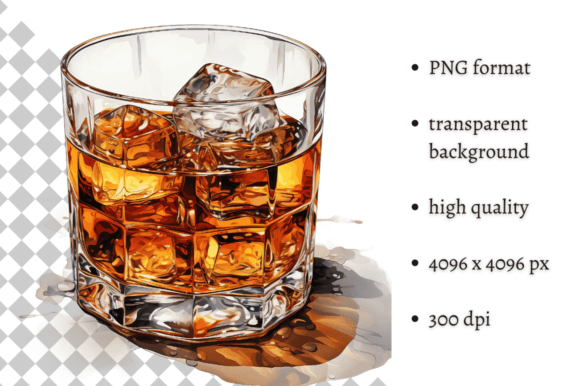
As a handmade business owner who has spent countless hours prepping files for Cricut machines and sublimation printers, I approach every new graphic design asset with a critical eye. When I first opened the Watercolor Glass of Whiskey Clipart file, I wasn't just looking for a pretty picture; I was evaluating its viability for my upcoming autumn and winter product lines. The immediate impression this illustration gives is one of sophisticated warmth. It strikes a difficult balance between rustic charm and elegant refinement, avoiding the cartoonish look that often plagues alcohol-themed clipart. This specific aesthetic suggests a premium feel, making it ideal for customers seeking groomsmen gifts, father’s day items, or upscale barware branding rather than rowdy bachelor party gear.
The mood created by these illustrations is distinctly cozy yet masculine. For an Etsy shop owner or craft fair vendor, this visual tone is crucial because it targets a specific demographic willing to pay higher prices for perceived quality. The watercolor texture offers organic edges and color variations that translate beautifully to physical products, mimicking the look of hand-painted art rather than digital sterility. Whether you are creating for a local market or a print-on-demand store, this asset signals artisanal quality to potential buyers.
Real-World Applications for Sublimation and Print Products
In my own workflow, I tested this Watercolor Glass of Whiskey Clipart primarily for sublimation design and printable products. Watercolor assets shine brightest when ink meets substrate. I used the high-resolution PNG design to create 20oz skinny tumbler wraps, and the results were stunning. The transparency of the watercolor effect allowed the white base of the tumbler to act as a highlight, giving the whiskey glass a luminous quality that flat vector art simply cannot achieve. For mug design, specifically ceramic camp mugs, the illustration provided enough detail to remain interesting at a smaller scale without becoming muddy after heat pressing.
Beyond drinkware, this clipart proved versatile for paper goods. I incorporated it into a set of printable wedding welcome signs and bar menu cards. Because the illustration has soft, blended edges, it pairs exceptionally well with textured cardstock like linen or kraft paper. For sticker design, however, I had to be more intentional. While the full-color PNG is perfect for planner stickers or vinyl-printed decals, it requires careful consideration if you intend to use it as a standalone die-cut sticker. The irregular edges of watercolor can sometimes get lost against white sticker paper unless you add a deliberate offset border or background shape to frame the glass.
Evaluating SVG Cut Files for Vinyl Projects
For Cricut project and Silhouette project enthusiasts, the inclusion of an SVG design is non-negotiable, but not all SVGs are created equal. When reviewing this asset for vinyl cutting, I paid close attention to the node count and layer separation. Watercolor illustrations are inherently complex, so a true cut file must be simplified to be usable. In testing, I found this graphic works best for adhesive vinyl on glass jars or gift tags where intricate internal details can be preserved. However, for heat transfer vinyl (HTV) on t-shirt design, caution is required.
If you plan to use this for apparel, I strongly recommend using the PNG for direct-to-film transfers or sublimation rather than trying to cut the watercolor texture itself. If you must use HTV, look for a silhouette version of the glass within the design bundle. Attempting to weed tiny watercolor splatters from vinyl is a recipe for frustration and wasted material. The asset excels as a decorative accent in layered vinyl projects, perhaps paired with a solid text element, but should rarely be the primary structural element in a multi-layer vinyl build. Always test cut a small section before committing to a large batch of custom orders.
Strategic Pairing and Layout for Handmade Business Branding
A standalone image rarely sells a product; context does. When integrating Watercolor Glass of Whiskey Clipart into my small business branding and product listings, font pairing became the deciding factor for conversion. This illustration carries a traditional, somewhat vintage weight. To modernize it for younger buyers, I paired it with clean sans-serif fonts for product titles and pricing. Conversely, for heritage-style gift tags and thank-you cards, a textured serif or relaxed script font complemented the brushstrokes perfectly. Avoid overly bubbly or childish fonts, as they clash with the mature elegance of the whiskey motif.
For creative marketplace sellers, mockups are everything. I placed this clipart on realistic wood grain and dark slate backgrounds to test contrast. On white products, the amber tones of the whiskey pop vibrantly, but on dark products, you may need to add a subtle glow or light backing behind the glass to ensure visibility. This step is vital for digital product listings where the customer needs to visualize the final result. Additionally, consider how this asset fits into seasonal collections. While obviously suited for fall and winter, the refined nature of this illustration allows it to transition into Valentine’s Day or anniversary markets when paired with romantic typography, extending its commercial lifespan beyond a single holiday.
Technical Checks Before Selling Finished Goods
Before listing any item featuring this graphic, perform due diligence on the technical specs. First, verify the resolution of the PNG design. For sublimation and large-format printing, anything below 300 DPI at actual print size will result in pixelation that devalues your handmade business reputation. I always zoom in to 100% to check for artifacts or jagged edges that might indicate poor upscaling. Second, confirm the commercial license terms. Just because an asset is available on a design platform doesn't mean it covers unlimited physical sales or print-on-demand usage. Protect your shop by reading the fine print regarding mass production limits and attribution requirements.
Color accuracy is another practical concern. Screen colors rarely match printer output perfectly, especially with the subtle gradients in watercolor art. Print a physical test swatch on your specific paper or substrate before running a full production batch. What looks like a rich gold on your monitor might print as a dull mustard on uncoated cardstock. Adjust your printer profiles or choose a different paper stock based on these tests. Finally, simplify your compositions. It is tempting to fill every inch of a tumbler wrap or tote bag, but negative space elevates the design. Let the Watercolor Glass of Whiskey Clipart breathe. A cluttered design looks cheap, while a balanced layout highlights the artistic quality of the illustration and justifies a premium price point for your handmade goods.
Maximizing Value Across Product Categories
To get the most return on investment from this graphic design asset, think beyond single-use applications. This clipart serves as an excellent anchor for a cohesive shop collection. Use the full glass for tumbler wraps, extract just the ice cubes or liquid splash for pattern backgrounds on wrapping paper, and utilize the silhouette for minimalist leather patch hat designs. By breaking down the illustration into functional components, you stretch the value of the design bundle significantly.
Furthermore, consider the packaging experience. Using a muted, monochromatic version of this clipart on tissue paper or box seals reinforces brand identity without competing with the main product. For digital product creators, this asset adds immense value to junk journal kits, digital planner stickers, and social media templates for bartenders or distilleries. The versatility lies in the texture; it feels human-made in an increasingly AI-generated marketplace. By leveraging the authentic, handcrafted vibe of these illustrations, you connect with buyers who value artistry over automation. Always remember that successful crafting businesses aren't built on single assets, but on how thoughtfully those assets are executed across a diverse range of high-quality, tested products.