Watercolor Cute Mother and Baby Animals Review
As a professional embroidery designer who regularly evaluates digital assets for commercial production, I approach every new machine embroidery design with a critical eye. It is not enough for an illustration to look beautiful on a screen; it must translate into physical stitches without losing its charm or structural integrity. When reviewing the Watercolor Cute Mother and Baby Animals collection, my primary focus was on how these soft, painterly illustrations perform when converted into thread. This review breaks down the practical realities of using this artwork for real-world projects, from nursery decor to custom apparel, ensuring your time and materials are well spent.
First Impressions: Softness Meets Stitch Structure
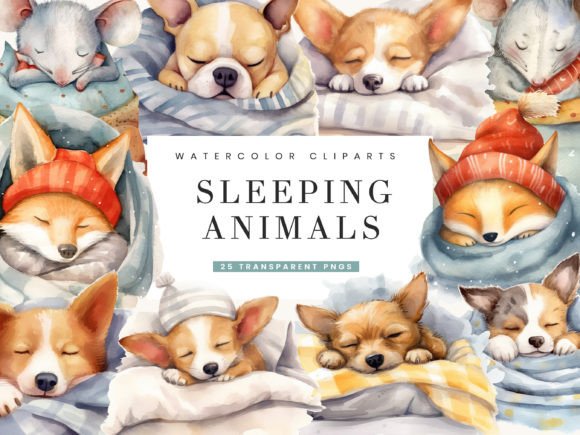
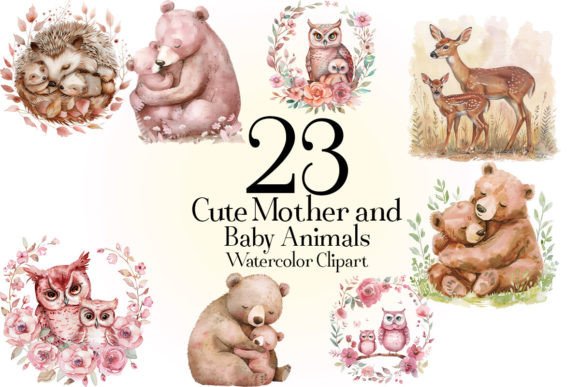
The immediate appeal of Watercolor Cute Mother and Baby Animals lies in its gentle, organic aesthetic. Unlike rigid vector art, these illustrations carry a hand-painted quality that evokes warmth and nostalgia. For a designer, this presents both an opportunity and a challenge. The visual mood is undeniably perfect for baby embroidery and sentimental gifts, but the "watercolor" effect requires careful digitization to avoid looking muddy or overly dense in thread form.
In my assessment, the layout of the mother and baby figures feels balanced and cohesive. The negative space is utilized effectively, which is crucial for preventing puckering on lighter fabrics. The personality of the animals shines through without relying on excessive detail that might get lost at smaller sizes. As an asset within the Illustrations category, it stands out because it prioritizes emotional connection over technical complexity, making it highly marketable for Etsy sellers and boutique owners targeting the maternal and infant niche.
Real-World Application: The Custom Sweatshirt Test
To truly evaluate this design, I mentally applied it to a current client request: a personalized mom-and-me sweatshirt set. This is a high-stakes embroidery project because fleece and French terry fabrics can be unforgiving. Here is how Watercolor Cute Mother and Baby Animals holds up in this scenario.
For a sweatshirt embroidery application, the design’s scale is appropriate. The larger format allows the watercolor shading effects to render clearly using varied fill stitch angles and color blending. On a crewneck sweatshirt, placing the mother animal on the adult size and the baby animal on the child’s size creates a powerful visual narrative that customers love. However, because sweatshirts have texture, I would recommend testing the stitch density. If the digitized file uses too many overlapping layers to achieve the watercolor look, it could create a stiff, bulletproof patch on soft fabric. Ideally, this design should utilize open fills or textured satin stitches to maintain the garment's drape.
This specific use case also highlights the value of the design as a commercial embroidery asset. The universal appeal of the mother-baby bond means this design can be sold repeatedly across different seasons, particularly for Mother’s Day, baby showers, and holiday family portraits. It transforms a basic blank garment into a premium handmade product with significant perceived value.
Navigating Fabric Limitations and Hoop Constraints
While versatile, Watercolor Cute Mother and Baby Animals requires strategic placement based on the substrate. Not all fabrics treat watercolor-style digitizing equally. Here are specific considerations for various applications:
- Tote Bag Design: Canvas and denim are excellent bases for this art style. The sturdy fabric texture supports higher stitch counts, allowing the full detail of the illustration to pop. This is an ideal application for the design in its original, detailed state.
- Baby Clothes and Onesies: Proceed with caution. Knit fabrics stretch, and complex watercolor fills can cause distortion. If using this for infant wear, ensure the embroidery file includes adequate underlay and consider resizing to a smaller footprint to reduce weight. Always use a cut-away stabilizer to prevent tunneling.
- Caps and Curved Surfaces: Avoid placing the central mother-baby interaction directly over the seam of a cap. The intricate details typical of watercolor illustrations often suffer registration issues on curved surfaces. This design works best on flat hoops or unstructured caps where the fabric remains stable.
- Dark Fabrics: Watercolor designs often rely on light pastel threads to create depth. On black or navy fabric, you may lose the subtle gradient effects unless the digitizer included a white underlay base. Always preview the thread colors against your specific fabric choice before committing to production.
Impact on Product Value and Customer Trust
For small business owners and creative entrepreneurs, the quality of your design assets directly correlates to customer retention. Using Watercolor Cute Mother and Baby Animals signals a commitment to trending, high-quality aesthetics. In the saturated market of Etsy seller goods, generic clipart fails to convert buyers. This illustration style suggests a bespoke, artistic touch that justifies higher price points.
Furthermore, the clarity of the stitching affects buyer trust. A clean, well-executed rendition of this design demonstrates professional competency. When customers see that the delicate features of the baby animal are crisp rather than jagged, they perceive the entire finished product as superior. This attention to detail is what separates hobbyist output from professional boutique merchandise. Whether you are creating a personalized gift or stocking inventory for a craft fair, the visual coherence of this design enhances brand consistency and recognition.
Essential Designer Notes for Production Success
Before loading this digital embroidery file into your machine for a final product, adhere to these professional best practices to ensure optimal results:
- Verify Specifications: Since exact stitch counts and dimensions vary by source, always check the technical data provided with the file. Confirm the hoop size requirements match your equipment capabilities before purchasing or stitching.
- Test on Scrap Fabric: Never stitch a new design directly onto a sellable item. Run a test on similar fabric weight and weave to evaluate tension, density, and color accuracy. This is non-negotiable for custom apparel.
- Check Licensing Terms: If you plan to sell items featuring Watercolor Cute Mother and Baby Animals, confirm whether your license covers commercial use of finished products versus digital redistribution. Protecting your business starts with respecting intellectual property.
- Mockup Validation: Create a printable mockup or digital preview to visualize scale. Sometimes a design looks perfect on screen but appears disproportionate on a tiny baby bib or a large pillow cover. Adjust placement accordingly.
- Thread Contrast Check: View the design in grayscale or simulate thread colors in your software. Ensure there is sufficient contrast between the mother and baby elements so the relationship reads clearly from a distance.
- Stabilizer Selection: Match your stabilizer to the end use. Use tear-away for stable woven goods like tea towels, and high-quality cut-away for stretchy knits used in baby embroidery or activewear.
Final Verdict for Makers and Sellers
Watercolor Cute Mother and Baby Animals represents a strong contender for any embroidery business focusing on family, maternity, or children’s markets. Its strength lies in its emotional resonance and adaptability to popular substrates like tote bags, sweatshirts, and nursery textiles. While it demands respect regarding fabric stability and stitch density, the payoff is a sophisticated, high-value product that resonates deeply with buyers. By applying these practical insights and testing protocols, you can confidently integrate this illustration into your commercial lineup, ensuring every stitch contributes to a profitable and professional outcome.