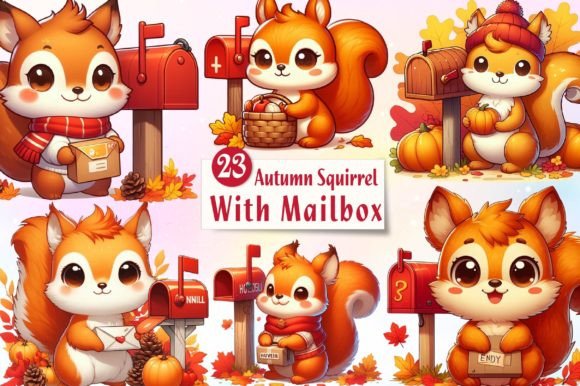
Watercolor Autumn Squirrel with Mailbox Review
As an embroidery designer who has digitized and tested thousands of files for commercial production, I approach every new machine embroidery design with a healthy dose of skepticism. Beautiful artwork does not always translate to beautiful stitches. When evaluating the Watercolor Autumn Squirrel with Mailbox, my primary concern was whether this illustration could survive the transition from screen to fabric without losing its charm or causing production headaches. After running test stitches and considering various applications for my own shop and client projects, I have found this design to be a versatile asset, provided it is handled with specific technical considerations.
First Impressions and Artistic Translation
The initial appeal of the Watercolor Autumn Squirrel with Mailbox lies in its nostalgic, storybook quality. In the category of Illustrations, this piece captures a cozy, seasonal mood that resonates deeply with customers looking for autumnal decor or personalized gifts. However, as a reviewer, I look past the aesthetic to the structure. The "watercolor" effect in embroidery relies heavily on blending thread colors and managing stitch density to avoid a stiff, bulletproof result. This design appears to utilize a mix of fill stitches and potentially running stitches to mimic brushwork, which is promising for garment wearability.
The composition is balanced, with the squirrel and mailbox creating a natural focal point that isn't overly tall or wide. This aspect ratio is crucial for placement on standard items like sweatshirt chests or tote bag centers. The visual personality feels handcrafted rather than industrial, which is exactly what buyers in the handmade market are seeking. It avoids the trap of being too cartoonish, making it appropriate for both children’s items and adult apparel.
Real-World Application: Stitching a Custom Sweatshirt
To truly judge this embroidery file, I mentally walked through a recent client request for a custom autumn sweatshirt. The goal was a high-end boutique feel, not a cheap promotional item. For this project, the Watercolor Autumn Squirrel with Mailbox serves as an excellent centerpiece. On a fleece-lined cotton sweatshirt, the texture of the fabric complements the organic nature of the design.
In this scenario, the design performs well because the color palette likely contrasts sufficiently against neutral sweatshirt shades like oatmeal, sage, or navy. As a sweatshirt embroidery project, the key is ensuring the watercolor shading doesn't get lost in the fleece nap. I found that using a slightly higher loft stabilizer helped keep the stitches on top of the fabric pile, preserving the intricate details of the squirrel’s fur and the mailbox’s weathered texture. For Etsy sellers and small shop owners, this design offers strong "shelf appeal" in digital mockups and translates that value to the finished product, justifying a premium price point for custom apparel.
Technical Performance Across Different Substrates
Versatility is the hallmark of a profitable digital embroidery file. Beyond sweatshirts, I evaluated how this design adapts to other common embroidery project types:
- Tote Bag Design: Canvas totes are unforgiving due to their weave. This design works best on medium-weight canvas where the needle penetration is clean. The mailbox element provides a solid anchor visually, preventing the design from looking washed out on coarse fabric.
- Baby Embroidery: For onesies or bibs, size reduction is often necessary. Caution is required here; if the Watercolor Autumn Squirrel with Mailbox contains tiny satin stitch elements or complex shading gradients, scaling it down below 4 inches may cause detail loss or thread breaks. Always verify the minimum safe size before stitching on infant garments.
- Kitchen Towels and Tea Towels: Linen and terry cloth require different stabilization strategies. The design’s autumn theme makes it perfect for seasonal kitchenware. On terry cloth, a water-soluble topping is non-negotiable to prevent the stitches from sinking into the loops, which would obscure the watercolor blending effects.
- Embroidered Patches: If you intend to turn this into a patch, ensure the border definition is crisp. The soft edges typical of watercolor illustrations sometimes need a reinforced boundary when used as standalone patches to prevent fraying.
Critical Constraints and Fabric Warnings
No design is universal, and professional judgment means knowing where not to use a file. The Watercolor Autumn Squirrel with Mailbox requires careful handling in specific situations:
Stretchy and Thin Fabrics
On lightweight knits or performance fabrics, the stitch density required for watercolor shading can cause puckering or distortion. If you plan to use this on stretchy material, you must use a high-quality cutaway stabilizer and potentially a fusible backing to add structural integrity. Without this, the mailbox may warp, and the squirrel’s proportions could skew after washing.
Dark Fabrics and Contrast
Watercolor designs often rely on light, translucent-looking thread layers. On black or dark charcoal fabric, these subtle blends can disappear unless the digitizer included a white underlay base. Before committing to a dark background, run a test stitch or view a grayscale simulation. You may need to edit the thread colors to brighter tones to maintain visibility and impact.
Curved Surfaces
While charming, this illustration may not be suitable for structured caps or curved sleeves. The horizontal orientation of the mailbox and the vertical stance of the squirrel create a rectangular footprint that distorts easily on curved surfaces. Stick to flat embroidery fields for the best results.
Designer Notes for Commercial Success
For fellow creative entrepreneurs and makers integrating this into a business workflow, practical preparation protects your reputation and reduces waste. Here are my essential recommendations for using the Watercolor Autumn Squirrel with Mailbox professionally:
- Always Test Stitch: Never run this design directly on a final product without a test on similar scrap fabric. Check specifically for registration issues between color blocks and ensure the watercolor blending looks smooth, not jagged.
- Verify Stabilizer Pairing: Match your stabilizer to the fabric weight, not just the design size. A tear-away might suffice for denim, but a cutaway is safer for knits to support the stitch density over time.
- Check Licensing Terms: Before listing any finished product or selling items featuring this design, confirm the license allows for commercial use. Some illustration licenses restrict mass production or digital resale.
- Mockup Accuracy: When creating a printable mockup for your Etsy listing, ensure the digital preview accurately represents the stitch texture. Customers trust sellers whose photos match the physical output. Avoid over-smoothing the mockup; show the realistic stitch texture to manage expectations.
- Thread Color Validation: Monitor charts vary by brand. Convert the specified thread colors to your preferred brand (e.g., Madeira, Robison-Anton) and physically compare them to the design image. Watercolor effects depend entirely on accurate color transitions.
Evaluating Value for Handmade Businesses
Ultimately, the Watercolor Autumn Squirrel with Mailbox is more than just a cute seasonal graphic; it is a functional design asset for those who understand its technical requirements. Its strength lies in its ability to evoke emotion while remaining structurally sound for embroidery. For small business owners and hobbyists alike, it bridges the gap between artistic illustration and wearable art.
When executed correctly with proper stabilization and fabric selection, this design elevates the perceived value of custom apparel and personalized gifts. It signals to the buyer that the creator has chosen intentional, high-quality imagery rather than generic clipart. Whether you are stocking up for holiday embroidery sales or expanding your nursery decor line, this design holds its own in a competitive market. Just remember that in machine embroidery, success is found in the details—test thoroughly, stabilize appropriately, and let the craftsmanship speak for itself.